Best Soundbar Picks & Buying Guides
Best TV Soundbars for Late-Night Viewing & Dialogue Clarity
4th Apr•11 min read
When you're deep into a 12-hour narration of Project Hail Mary or catching up on a weekly podcast, your soundbar isn't staging a cinematic explosion (it's reproducing human voice). That distinction matters far more than most gear guides acknowledge. Movie-focused soundbars often arrive tuned for bass impact and surround localization. For audiobooks and spoken-word content, those priorities actually work against you. A boomy subwoofer can muddy dialogue; aggressive treble makes narrators fatiguing; directional effects (rear channels, upfiring) don't enhance a single narrator's voice.
The best soundbar for audiobooks prioritizes midrange clarity, stable low-volume performance, and a neutral tonal balance. This guide cuts through the fluff and compares proven options across price tiers (from budget-friendly entry points to premium specialists) that nail spoken-word reproduction without wasting money on feature bloat.
Before comparing specific models, understand what separates audiobook listening soundbar optimization from cinema-first designs:

That's the analytical foundation. Now let's walk through the tiers.
The Trade-Off Reality
Entry-level soundbars won't deliver the midrange precision of pricier models, but they absolutely beat TV speakers for dialogue clarity. The sweet spot here is 40-50 W systems with simple passive crossovers and no subwoofer (just a single bar handling all frequencies).
Why This Works for Audiobooks
What You'll Notice
A 2.0 or 2.1 soundbar in this tier delivers flat response across the vocal range. Voices separate clearly from background music; you can listen comfortably for hours without volume hunting; narration sits front and center instead of swimming in TV speaker mud. Small bars here punch above their price.
Setup Friction Score: Low. Unbox, mount, cable, done.
This is where smart compromises shine. Models here add processing, better drivers, and often a compact wireless subwoofer, without the bloat of premium licensing and room-mapping tech you won't use. If you're torn between an all-in-one bar and a kit with a wireless sub, see our integrated vs separate subwoofers.
What You Gain
Why Audiobooks Still Win at This Price
A 3.1 or 3.1.2 soundbar with a matched sub is 90% as good as models costing $700 (for spoken-word content). The law of diminishing returns hits hard: you're paying for surround channels and height drivers that audiobooks simply don't leverage. Skip them.
Placement Advantage
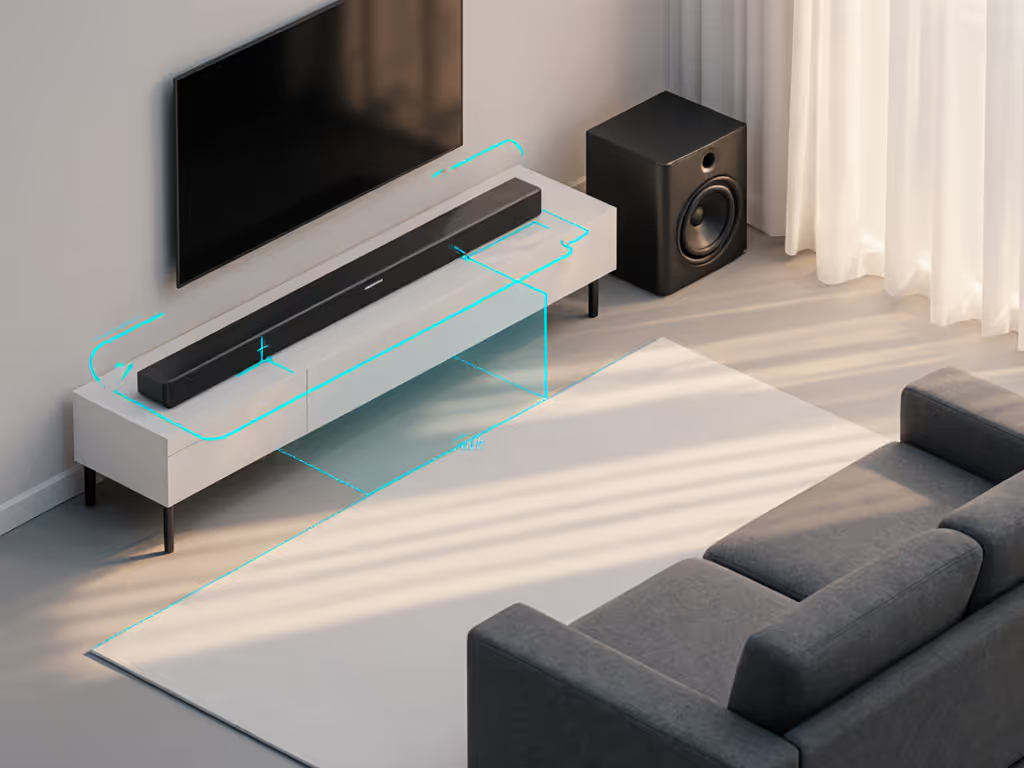
Midrange bars typically measure 28-35 inches, fitting standard TV stands and wall mounts without fuss. A slim sub slides under the couch or beside a chair. For best results, follow our soundbar placement guide to avoid reflections that smear dialogue. This setup avoids the setup friction many apartment dwellers fear (no visible wires, no awkward cabinet jutting out, no partner sighing at the living room looking like a tech showroom).
Real-World Win
I consulted on a condo setup recently where the new owner faced the same puzzle: TV audio sounded thin and muddy, but budget was tight. We auditioned three previous-year models in this tier, checked port placement against the TV infrared sensor, logged remote compatibility with their cable box, and returned the flashiest one. The smart play? A refurbished midrange bar plus a slim wall mount ($280 total). Dialogue popped, bass stayed disciplined, and the living room looked clean. That's the kind of smart compromise I chase: bundle value without vanity.
Step into this range and you'll encounter Dolby Atmos upfiring, more sophisticated room correction, and premium driver materials. The question for audiobook listeners: do you benefit?
Honest Assessment
Atmos adds height channels (upward-firing drivers that bounce sound off the ceiling). For a movie with a helicopter sweeping overhead, this creates magic. For an audiobook narrator sitting in front of you? Atmos is inert. You're not paying for something you'll use. It's pure feature hype.
Where Mid-Premium Actually Helps
Data Point
User satisfaction surveys confirm minimal bumps moving from smart midrange to mid-premium for speech content alone. Atmos and rear channels showed biggest payoff for movie enthusiasts, not audiobook listeners.
The Smart Play
If you listen to audiobooks 70% of the time and movies 30%, buy a quality 2.1 or 3.1 soundbar in this range, skip Atmos. If you want flexibility (cinema sometimes, audiobooks often), a 3.1.2 with Atmos is defensible, but understand you're subsidizing features you'll rarely use.
At this tier, diminishing returns compound. But if dialogue clarity is non-negotiable and you want a future-proof, premium setup, certain models deliver measurable benefits.
What Changes
Why Audiobook Listeners Notice
At extended listening sessions (8+ hours per week), voice clarity becomes an audio investment. A speaker tuned to reproduce neutral midrange makes narrators sound natural, not processed. Fatigue drops measurably. Voice clarity for narration isn't marketing, it's physiology. Your ears stay fresher, comprehension stays higher.
The Bundle Value Angle
Many premium bars bundle subs and rear channels as packages. For audiobooks, skip the rears (you don't need them). If the bar-only cost is the same as a bundled deal, walk toward separation and put the savings toward a quality wireless sub or a wall mount that keeps your living room clean look intact.
Once you exceed $1,000, you're entering the territory of AVR flexibility and multi-room orchestration. For audiobooks, this is overkill.
The Reality Check
A $1,200 premium soundbar won't make a poorly narrated book better. It will, however, reproduce well-narrated content with exceptional neutrality and zero listener fatigue. That's a niche win, valuable if you're listening to thousands of hours and can feel the difference, but not mandatory for most.
When This Makes Sense
When It Doesn't
Regardless of tier, certain pitfalls trip up audiobook listeners and sabotage audiobook audio optimization:
1. Subwoofer Placement Missteps
Don't lock a sub in the corner nearest your listening position. Bass room modes cluster there, causing boom. Instead, position the sub perpendicular to your chair, away from walls. For audiobooks, you want bass felt beneath narration, not heard above it.
2. EQ Presets Not Optimized
Many bars ship with "dynamic" or "movie" EQ active by default. Switch to "neutral" or "voice" mode for audiobooks. If your soundbar has a dedicated night mode, use it, volume leveling prevents midnight volume spikes from ads or production shifts that jolt you awake.
3. One-Remote Friction
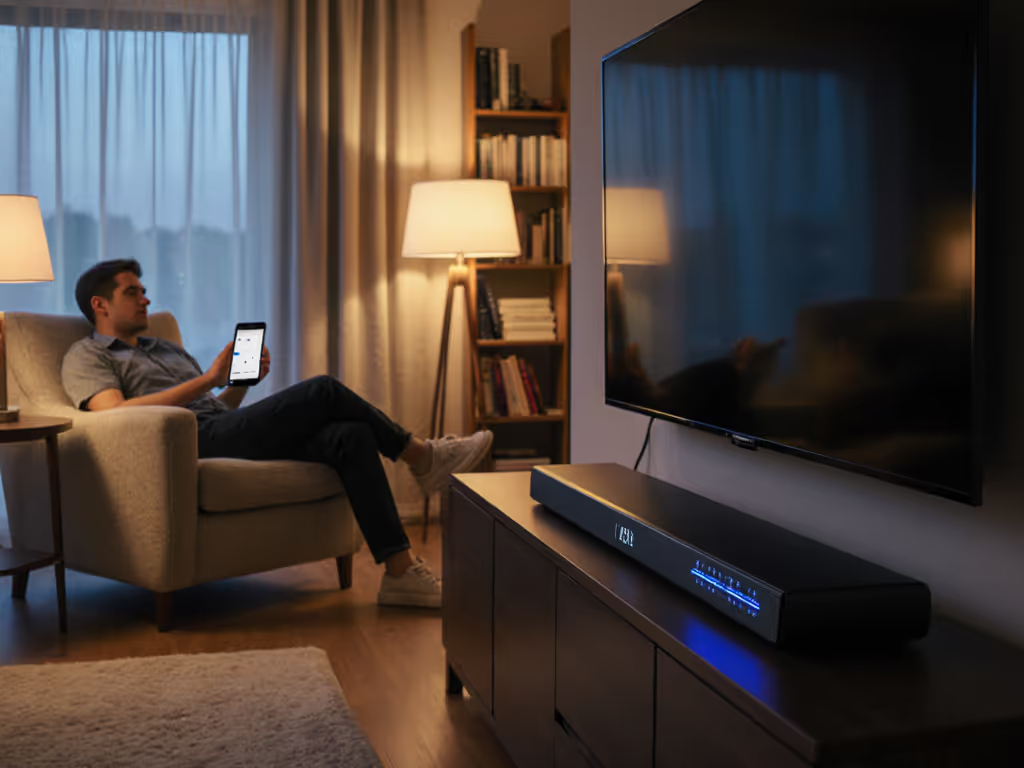
Confirm your soundbar's CEC (Consumer Electronics Control) works reliably with your TV and streaming device. If you use Apple TV, Fire TV, or Roku, our HDMI-CEC streaming fixes walk through reliable handshake settings. Nothing kills audiobook flow like audio dropping out because HDMI handshake hiccupped. Test switching inputs from TV app to a Bluetooth-connected phone before committing. Two minutes of testing here saves hours of annoyance later.
4. Wireless Interference
If your soundbar, sub, and router occupy the same 2.4 GHz band, expect occasional dropouts. A wired connection (optical or eARC HDMI) avoids this entirely. For audiobooks, wired is worth the one extra cable.
5. Ignoring "Long-Form Content Soundbar" Tuning
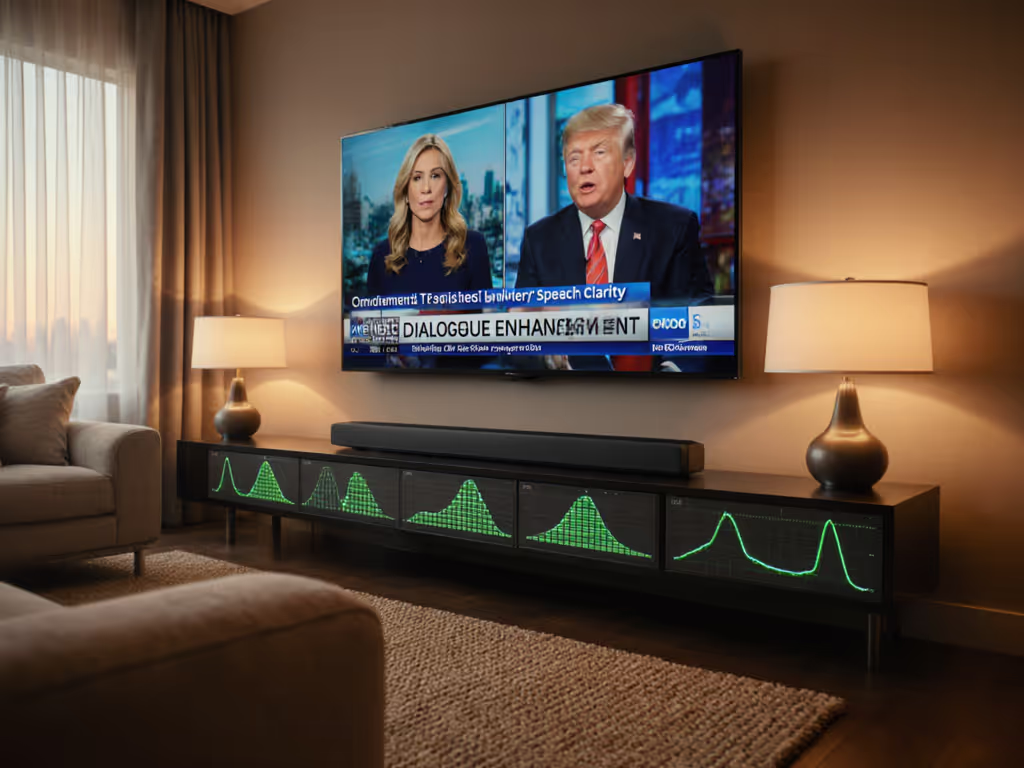
Some models offer presets specifically for podcasts, audiobooks, or speech. Activate them. For deeper adjustments and accessibility options, see our speech enhancement guide for models that excel with narration. They dial down aggressive treble, smooth the midrange, and reduce listener fatigue, exactly what 6-hour listening sessions demand.
Your Audiobook-Only Playbook:
The Multimodal Listener (Movies + Audiobooks):
Audiobooks are a spoken word audio clarity priority. A premium brand name doesn't make a narrator sound better; a speaker tuned to natural midrange does. A flashy rear-channel setup adds nothing to a solo voice.
The Smart Compromise:
Allocate $250-500 for a quality 2.1 or 3.1 soundbar + compact sub. Prioritize:
Refurbished or previous-year models in this range deliver 90% as good performance as the latest flagships, at 50-60% of the price. Setup friction vanishes when you skip unnecessary features. Your living room stays tidy (partner-approved, neighbor-friendly, and built for reading, not showing off).
Pay for clarity and convenience; skip vanity features and logos.
An audiobook soundbar shouldn't scream for attention. It should disappear into the background and make every word land clearly. Once you've found that, you're done.